



Grindr wants to be known as more than a dating site for the gay community. Things have changed since the platform launched in 2009 as a mobile app powered by geolocation and targeting the young and urban. The fights over marriage equality and trans rights have led to changes in society that are increasingly represented in media and marketing.
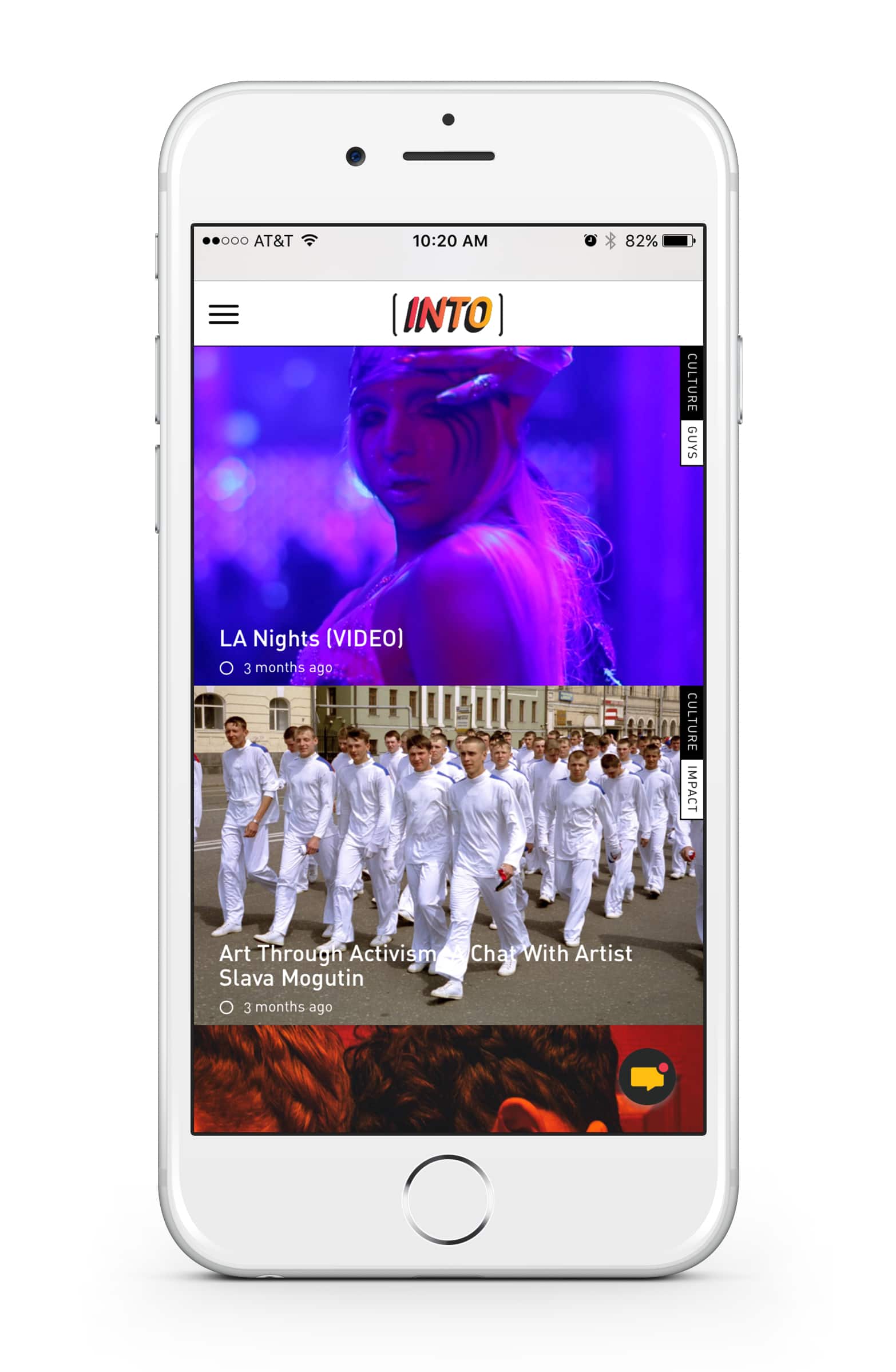
In the midst of that change, Grindr has evolved, as well. Last year, it launched a content site, Into, dubbed “A digital magazine for the modern queer world.” Into has also added video and web series to the site.
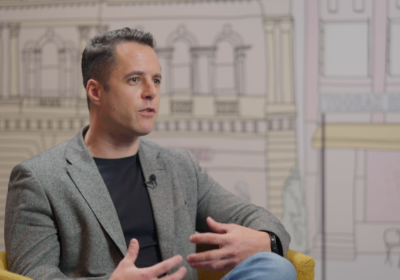
Peter Sloterdyk, Global VP of Marketing, spoke to Velocitize about the platform’s expansion into publishing, policing social media and dealing with anti-gay protests.
Velocitize: You must have seen a big change in how marketers approach the LGBTQ community. How has that evolved?
Peter Sloterdyk: The evolution is very interconnected with our societal evolution and acceptance of the LGBTQ community. With the introduction of marriage equality and workplace equality, the continued conversation in our society around acceptance is being reflected in the marketing world.
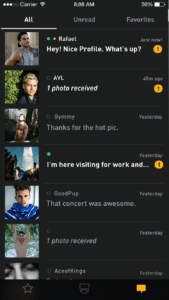
When Grindr started its advertising business and our relationships with marketers it was niche products, it was very specific products for the LGBTQ community. It was smaller advertisers who were just looking for scale and reach. Now we’re seeing larger brand partnerships. As opposed to buying digital space on our apps or Into, now we’re looking at editorial partnerships, content partnerships, event partnerships.
The other piece of the evolution for me is the recognition that there is an insane amount of buying power within the LGBTQ community. All of a sudden, folks are starting to realize that “oh, it turns out that this community’s credit cards don’t turn off on July 1.” It’s not just on Pride Month in June, there’s so much more in the other 11 months of the year and there are so many ways to connect with this community.
By the same token, the last year has seen a lot of debate over cyberbullying and fake posts. What’s the responsibility of platforms like Grindr to monitor content?
There is a very fine line between appropriate monitoring, policing and moderation of the content shared on our platform and allowing our users to be uniquely themselves. No one in our industry has nailed that particular line.
What I commit to on a daily basis—with our content moderation team, with our customer operations team and especially with our content production team—is making sure we are listening, we are paying attention and we are identifying anything that is dangerous, unkind or cruel and removing it from our platform as quickly and swiftly as possible.
The other end of our equation is making sure that our users feel empowered to identify those problem areas. We need to make sure our users feel comfortable speaking out and reporting the content that they feel is offensive, in having those discussions with the platforms—Grindr and everybody else—calling them out and letting us know what isn’t working, what makes them feel unsafe.
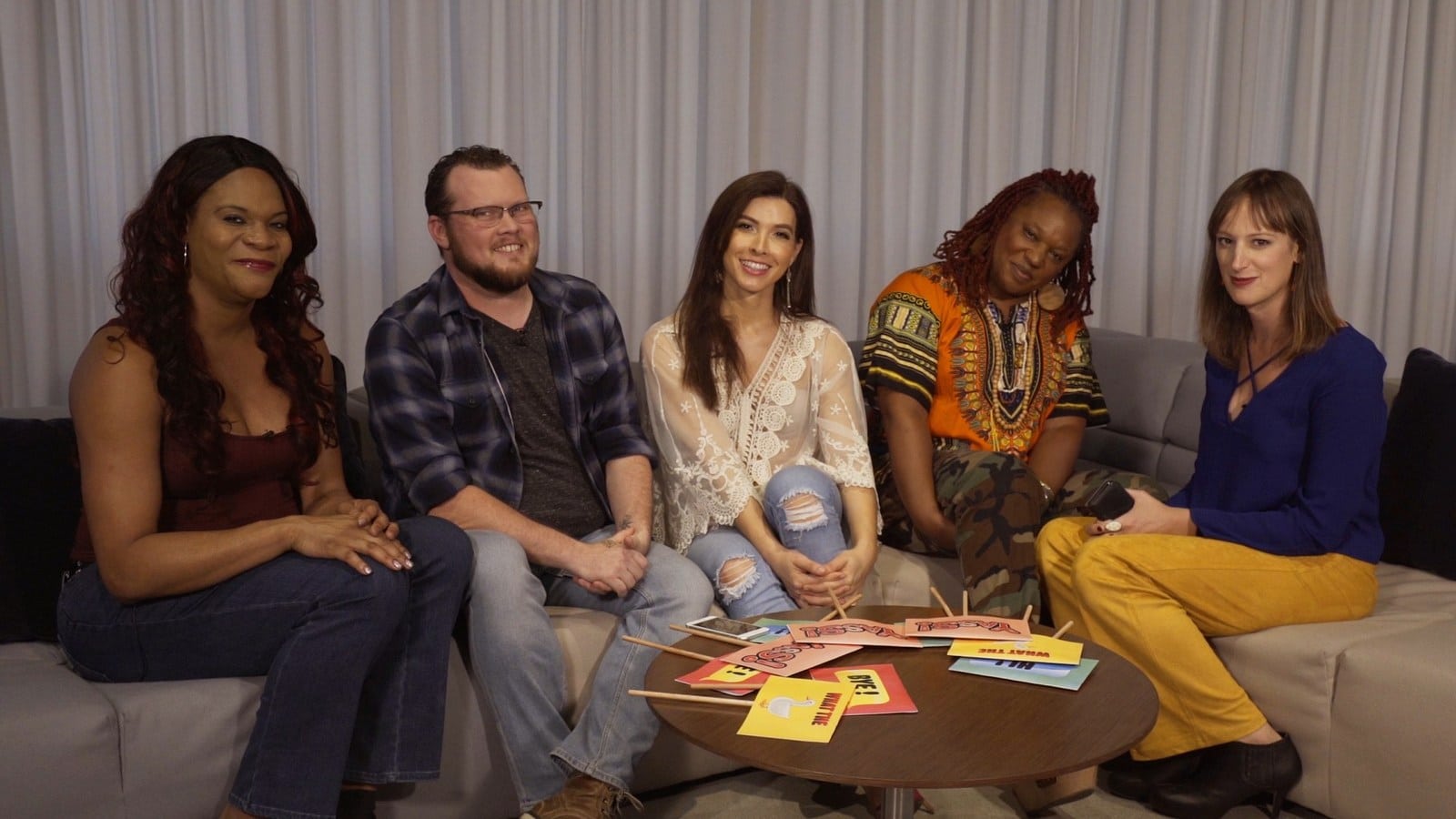
Recently we released a whole new set of features on the app to be gender-inclusive providing oportunities for our trans users, non gender-binary users feel comfortable, to feel welcome and to be able identify themselves. That was because we listened. We heard from our community that there was more we could do to make our users feel welcome. I think that’s a good example of how we’re continually changing, continually evolving and always listening to make sure our platforms are safe and welcoming.
Grindr was around before marriage equality. How do you compete with all the other queer-friendly sites that have come since?
For Millennial and Gen Z audiences, Grindr is part of the vernacular. As the younger generation grows up and becomes interested in dating and the online community, connecting with others in their area they would not otherwise had an opportunity to meet, Grindr is the go-to opportunity for that.
The other thing that we’re doing is making sure we’re paying attention to what needs to change. What does our content need to look like? Who do we need to bring on board—as a staff member or as a consultant or as an influencer—to remain relevant in the ever-changing space that we participate in?
Was launching Into an effort to diversify and be more marketer-friendly?
We heard from our users and the community at large that were was no place where they could consume and engage and produce content that was relevant for them. We have built this fabulous editorial platform that is producing 20 to 25 pieces of content a day.
There are plenty of marketers who are looking for that editorial content partnership. It’s a great opportunity for us to do that through Into. We are grateful to be expanding our offering to our brand partnerships team, to the folks who are interested in reaching these audiences, and doing so with a true unique insight that allows them to connect authentically with our audience.
Meanwhile, society remains polarized. Are there areas in marketing that still need to evolve?
No matter the vertical, no matter the category, there is relevance, but we as a comunity are only going to be aware of that relevance if you include our identity in your advertising. It’s not just about targeting, it’s not just about being present in a particular publication or in a particular pride parade. It is 365/24/7 inclusion and being aware that we have a seat at the table.
How do you do that when even multiracial families can trigger controversy? Should marketers just suck it up?
I would encourage all marketers to look at the actual economic impact on their bottom line.
Honey Maid is a great example. They did an LGBT-inclusive ad and received a bunch of positive feedback and received a bunch of negative feedback. The results were—and their CMO was happy to share—that they had a positive impact on their bottom line, period. And they got to do some positive content with the negative comments. They did the “Love” video.
There are ways to handle negative feedback, but I believe that there is no negative impact from those small, niche audiences that are very loud. One of my favorite groups is One Million Moms, because it’s about 200 people. But somehow, they’ve convinced some folks that they are large and in charge and super impactful.
My point in all of that is there has to be a certain sense of fearlessness. I don’t think it’s so much about sucking it up as much as educating yourself and understanding the true impact of any inclusive behavior.
Join the conversation